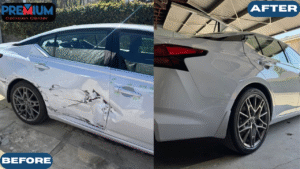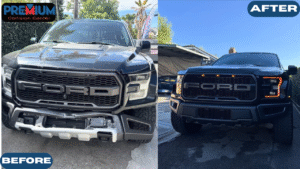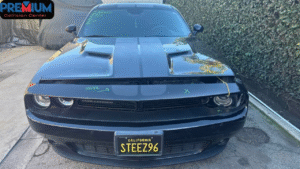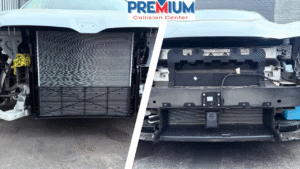
Minor collision damage is a common issue that many car owners face. Whether it’s a small dent, scratch, or bump from a parking mishap, you may wonder if it’s necessary to go through the hassle and expense of a full repair. The good news is that in many cases, minor collision damage can be fixed without requiring a full, costly repair. In this blog, we’ll explore how minor collision damage can be handled efficiently and cost-effectively, and when you might still need a full repair.
What Constitutes Minor Collision Damage?
Minor collision damage generally refers to relatively small, superficial damages that don’t affect the overall structural integrity of the vehicle. These might include:
- Small dents or dings caused by a low-speed impact.
- Scratches or scuff marks on the paint or bumper.
- Minor bumper damage, such as a cracked or scratched bumper cover.
- Light fender damage from a side scrape or bump.
These types of damages are usually limited to the vehicle’s exterior and don’t involve any critical mechanical components or frame damage.
Can Minor Damage Be Fixed Without Full Repair?
Yes, in many cases, minor collision damage can be addressed without the need for a full repair. Here are some methods that professionals use to fix minor damage:
Paintless Dent Repair (PDR)
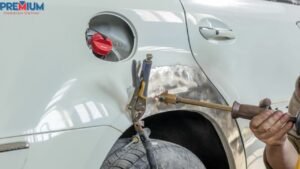
One of the most popular and effective methods for fixing minor dents is Paintless Dent Repair (PDR). This technique involves:
- Accessing the back of the panel and gently massaging the dent from the inside.
- Using specialized tools to manipulate the metal and restore its original shape without disturbing the paint.
- PDR is ideal for small dents and dings that haven’t cracked the paint or caused extensive damage to the metal.
Benefits of PDR:
- More affordable than traditional dent repair.
- Quick turnaround (usually within a few hours).
- No need for repainting, preserving the car’s original paint.
Scratch and Scuff Repair
For minor scratches or scuff marks, a full repair may not be necessary. Instead, the following methods can be used:
- Polishing: Light scratches on the surface can often be buffed out using a polishing compound and a buffing wheel. This method removes the damaged layer of paint and restores the shine.
- Touch-up Paint: If the scratch is deeper but still not affecting the metal, applying touch-up paint can help mask the damage and prevent further rusting.
- Clear Coat Repair: A fresh layer of clear coat can be applied to the affected area to restore gloss and provide an additional layer of protection.
Bumper Repair or Replacement
Minor bumper damage, such as light cracks or scrapes, can sometimes be repaired without a full replacement:
- Bumper Repair Kits: These kits are designed to fix cracks and gouges in bumpers. They involve filling the damaged area with a plastic filler, sanding it smooth, and repainting the area.
- Bumper Resurfacing: In cases where the bumper is scuffed or scratched but still structurally sound, a professional can resurface it to restore its appearance without needing to replace the entire bumper.
When to Replace the Bumper: If the damage is extensive (deep cracks or severe impact that affects the bumper’s structural integrity), a full replacement may be necessary.
When Is Full Repair Necessary?
While many minor collisions can be fixed without a full repair, there are instances where more extensive work is required. You should consider a full repair in the following situations:
- Frame Damage: If the collision caused structural damage to the frame or undercarriage of the vehicle, it will require a full repair to ensure the safety of the vehicle.
- Airbag Deployment: If airbags were deployed during the collision, the vehicle’s interior and safety systems will need to be inspected and repaired by professionals.
- Large or Deep Dents: When the damage is large or deep, especially if the paint has been compromised, a full repair may be necessary to restore the vehicle to its original condition.
Cost and Time Savings of Minor Repairs
Opting for minor repairs instead of a full repair can result in significant savings:
- Cost-Effective: Methods like Paintless Dent Repair and scratch repair are much cheaper than traditional repairs that involve painting and panel replacement.
- Time-Efficient: Minor repairs typically take less time to complete, so you can get back on the road faster.
- Preserving Value: By fixing minor damage promptly and without a full repair, you can maintain the car’s value and keep it looking well-maintained without the added expense.
Maintenance Tips to Avoid Future Minor Collisions
Preventing minor damage in the first place is always the best approach. Here are some tips for avoiding collisions and maintaining your car’s exterior:
| Maintenance Tip | What to Do | Why It Helps |
|---|---|---|
| Be Mindful of Parking | Park in well-lit, spacious areas and avoid tight spots. | Prevents scrapes and dents from other vehicles. |
| Install Parking Sensors | Consider adding parking sensors to your vehicle. | Helps avoid bumps and scrapes when parking. |
| Regular Car Washes | Keep your car clean to spot damage early. | Regular washing helps maintain the paint and condition. |
| Use Paint Protection | Apply a protective film or coating on your vehicle. | Helps protect the paint from minor chips and scratches. |
| Drive Cautiously | Avoid aggressive driving and tailgating. | Reduces the likelihood of collisions and damage. |
Why Choose Premium Pasadena Collision for Your Car Repair Needs?
At Premium Pasadena Collision, we specialise in both minor and major collision repairs. Our experienced team can help you determine whether a full repair is needed or if a more cost-effective solution can restore your vehicle to its original condition. We offer reliable and efficient services, ensuring your car gets the attention it deserves.
Contact Premium Pasadena Collision today for expert advice and professional repair services to keep your car looking and performing its best.