Skip to content
Modern vehicles are smarter and safer than ever before. Advanced driver assistance systems (ADAS), sensors, cameras, and radar-based technologies help prevent accidents and improve driving safety.
However, these advanced safety features have also changed how collision repair work is performed.
Today, collision repair is not just about fixing dents and repainting panels. It requires calibration, diagnostics, and precision restoration to ensure safety systems continue functioning correctly.
Let’s explore how modern vehicle safety systems impact collision repair procedures.
What Are Modern Vehicle Safety Systems?
Modern vehicles now include a wide range of safety technologies designed to reduce accidents.
Common Safety Technologies Include:
- Automatic emergency braking
- Lane departure warning systems
- Blind spot monitoring
- Adaptive cruise control
- 360-degree camera systems
- Parking assist sensors
- Collision avoidance radar
These systems rely heavily on precise alignment and calibration after any accident repair.
Why Safety Systems Complicate Collision Repair
Older vehicles mainly required structural and cosmetic repair.
Modern vehicles require:
- Electronic diagnostics
- Sensor recalibration
- Camera alignment
- Radar positioning verification
Even small alignment errors can cause safety system malfunctions.
How Collision Damage Affects Safety Technology
Even minor collisions can impact safety systems.
Common Issues After Accidents:
- Misaligned cameras
- Damaged sensor brackets
- Wiring harness damage
- Radar signal interference
- Structural frame misalignment
These issues can reduce system effectiveness and increase driving risks.
Collision Repair vs Safety System Calibration
| Repair Task | Traditional Vehicles | Modern Vehicles |
| Body Panel Repair | Primary focus | Secondary focus |
| Structural Alignment | Important | Critical |
| Sensor Calibration | Not required | Mandatory |
| Computer Diagnostics | Rare | Essential |
| Paint Matching | Required | Required + Sensor Safety |
Professional collision repair now requires specialized technology.
Why Calibration Is Critical After Repair
ADAS systems depend on precise measurements.
Calibration ensures:
- Cameras see the road correctly
- Radar sensors detect vehicles accurately
- Lane assistance systems function properly
- Emergency braking systems respond properly
Without calibration, safety systems may give false warnings or fail to activate.
Types of Calibration Used in Collision Repair
1. Static Calibration
Performed in controlled workshop environments.
Used for:
- Camera systems
- Lane detection cameras
Requires:
- Special calibration targets
- Accurate vehicle positioning
2. Dynamic Calibration
Performed while driving under controlled conditions.
Used for:
- Radar-based systems
- Adaptive cruise control
Requires:
- Test driving under specific conditions
Common Collision Repair Mistakes to Avoid
❌ Ignoring Sensor Placement
Even small misalignment can affect system performance.
❌ Skipping Calibration Testing
Some repair shops may overlook system testing.
Always verify:
- Warning system functionality
- Camera image accuracy
- Radar detection performance
❌ Using Non-OEM Parts
Cheap parts can cause:
- Structural misalignment
- Sensor mounting problems
- Poor safety system performance
OEM-quality parts are often recommended.
Maintenance Tips After Collision Repair
| Maintenance Task | Frequency | Benefit |
| Check Warning Lights | Weekly | Detects system errors |
| Monitor Sensor Areas | Monthly | Prevents debris blockage |
| Professional Diagnostics | Every 6–12 Months | Ensures safety accuracy |
| Keep Camera Lenses Clean | Weekly | Improves visibility systems |
| Avoid DIY Electrical Repairs | Always | Prevents system malfunction |
Signs Your Safety Systems Need Inspection
Watch for:
- Warning lights on dashboard
- Lane assist not working properly
- False collision alerts
- Parking assist errors
- Camera image distortion
If you notice these issues after an accident repair, seek professional inspection immediately.
How Technology Is Changing Collision Repair Shops
Modern collision repair now requires:
- Advanced diagnostic tools
- Electronic scanning systems
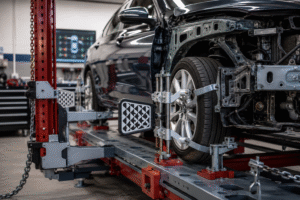
- Frame measurement technology
- OEM repair specifications
Technicians must stay updated with evolving vehicle technology.
Benefits of Professional Collision Repair
Professional repair ensures:
- Proper structural alignment
- Accurate paint matching
- Safety system calibration
- Long-term vehicle safety
- Higher resale value
Safety should always be prioritized over cosmetic repair alone.
The Future of Collision Repair Technology
The automotive industry is moving toward:
- More autonomous driving features
- AI-assisted safety systems
- Advanced sensor integration
- Smarter diagnostic software
Collision repair will continue evolving alongside vehicle technology.
Protect Your Vehicle with Premium Collision Center
If your vehicle has been involved in an accident, professional repair makes all the difference.
Premium Collision Center specializes in expert Collision Repair services designed to restore both vehicle appearance and safety functionality. Their skilled technicians use advanced diagnostic tools, precise structural repair methods, and professional calibration techniques to ensure your vehicle’s safety systems continue working correctly.
With Premium Collision Center, your vehicle receives expert-level care that restores factory standards, maintains safety system accuracy, and keeps your car looking and performing like new.